

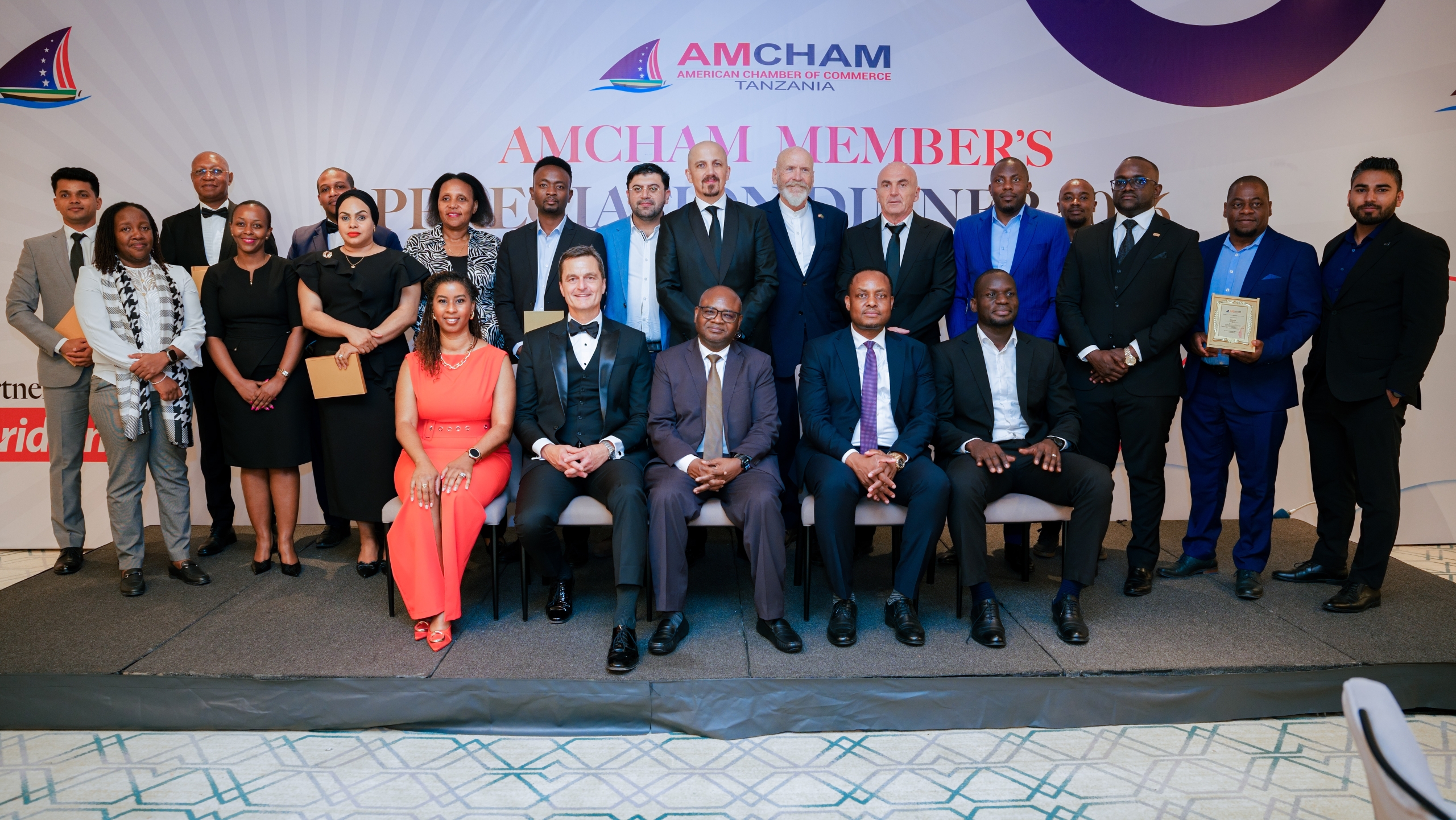
At AmCham Tanzania Event, MeridianBet’s 17-Year Track Record Takes Center Stage
NASDAQ-Listed MeridianBet Marks 17 Years in Tanzania with Over 500 Community Initiatives, 70% Women in African Management Roles
When Meridianbet’s Tanzania operations spoke at the AmCham Tanzania Appreciation Dinner last week, the presentation opened with a single number: 500.
That’s how many community initiatives the sports entertainment company has completed across Tanzania since 2009. Education programs. Small business training. Youth sports sponsorship. Public health awareness campaigns. Local infrastructure support.
For a gaming company operating under a NASDAQ-listed parent (Golden Matrix Group, ticker: GMGI), sustained community investment at this scale is unusual. The industry has a reputation for extracting value. Meridianbet’s seventeen-year presence in Tanzania tells a different story.

The Social Model
We’re in the business of friends gathering at local clubs to watch matches, share a drink, and place small stakes on the outcome,. The betting is part of the experience. The gathering is the real value.
The framing matters because it shapes operational decisions. Meridianbet Tanzania, as is the case worldwide, structures its platform to encourage many customers placing small amounts. The alternative would be concentrating revenue among high-stakes players. That model creates problems. Problem gambling. Revenue volatility. Regulatory scrutiny.
Small-stake betting spread across many customers creates different dynamics. Lower risk per individual. More stable revenue. Better alignment with Tanzania’s consumer protection regulations.
The company’s responsible gaming protocols reflect this approach. Early intervention when betting patterns suggest trouble. Support resources in Swahili and English. Limits designed to keep stakes small and entertainment value high. The AmCham Tanzania attendees had the opportunity to familiarize with our responsible policies.
Community Ambassadors
The scale of Meridianbet’s community programs drew attention at the AmCham Tanzania dinner. What got people talking was who runs them.
The company built a network of “community ambassadors.” These are customers who participate in CSR initiatives as partners. They identify needs in their neighborhoods. They volunteer in education programs. They mentor local entrepreneurs. They organize school supply drives and coach youth sports teams.
This shifts how corporate social responsibility works. Traditional CSR runs top-down. Companies donate money. Communities receive it. The relationship is transactional.
MeridianBet’s model distributes responsibility. Customers become patrons of community development. The company provides platform and resources. The customers craft the donation policy.

When a customer helps fund a school program or mentors a young business owner, they’re building their own community, We make it possible.
Seventeen years and 500 initiatives suggest the model works. Whether it scales beyond Tanzania remains to be seen. For now, it appears to have created genuine community ties rather than performative charity.
The Gender Metric
One data point from the presentation got repeated in conversations after the event: 70% of managerial positions across Meridianbet’s African operations are held by women.
The gaming industry globally runs around 30% women in leadership roles. East African businesses average 35%. Meridianbet’s 70% is an outlier.
The company implements a performance-based hiring and promotion. No quotas. Just competence rewarded. Whether that’s the full story or not, the outcome is measurable. Management teams reflect the communities they serve. Diversity intentions are easy to state. Diversity outcomes are harder to deliver. The Company’s numbers show outcome.
Seventeen Years
Tanzania’s gaming market has grown considerably since 2009. Mobile penetration increased. Disposable incomes rose among the middle class. International operators entered. Some stayed. Many left when margins compressed or regulations tightened.
Meridianbet stayed. Seventeen years. 200 employees. Hundreds of local retail partnerships. That longevity suggests the company views Tanzania as infrastructure, not opportunity.
